What services can I typically expect at a local spa?
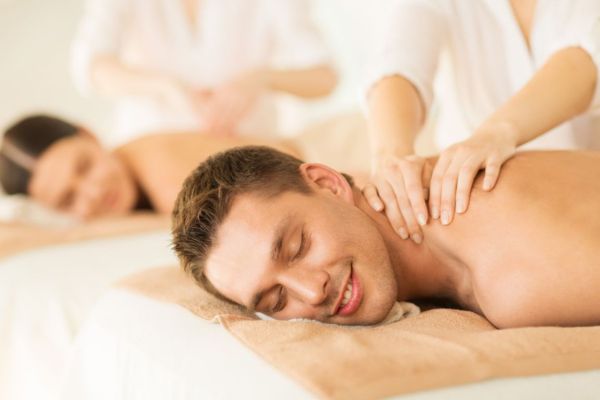
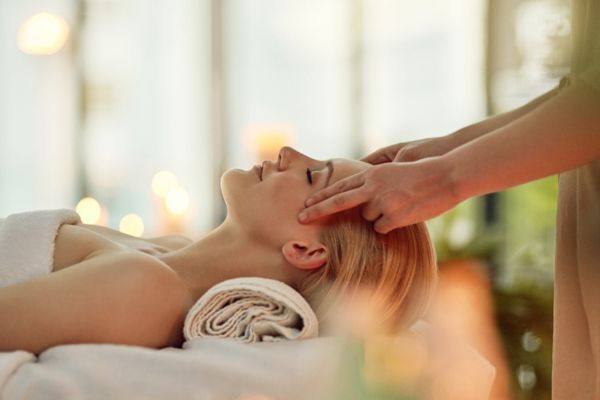
Most premium spas in the local area offer a comprehensive range of treatments designed to promote relaxation and wellness. You’ll find traditional services like Swedish and deep tissue massages, customized facials, and body wraps. Many establishments also provide advanced therapies such as hot stone treatments, aromatherapy sessions, and specialized skincare procedures. Some locations even feature amenities like steam rooms, saunas, and relaxation lounges to enhance your spa experience. It’s always recommended to check with individual spas for their specific service menu, as offerings can vary significantly between locations.
How much should I expect to pay for spa services?
Pricing for spa services varies depending on the type of treatment, duration, and the spa’s overall positioning in the market. Basic massages typically start around $60-$80 for a 60-minute session, while more specialized treatments can range from $100-$200. Many spas offer package deals that combine multiple services at a discounted rate. It’s worth noting that higher-end establishments may charge premium prices, but often provide enhanced amenities and expertise. Don’t forget to ask about new client specials, seasonal promotions, or membership options that could make regular spa visits more affordable.
How often should I get a massage or facial?
The frequency of spa treatments depends on your individual needs, lifestyle, and wellness goals. For massages, many therapists recommend monthly sessions for general wellness and stress management. However, if you’re addressing specific issues like chronic pain or athletic training, you might benefit from more frequent visits, possibly every 2-4 weeks. Facials are typically recommended every 4-6 weeks, as this aligns with your skin’s natural cell turnover cycle. Regular spa treatments can contribute to overall well-being, helping to reduce stress, improve circulation, and promote better sleep patterns.
What should I do to prepare for my spa visit?
To maximize the benefits of your spa experience, arrive about 15-20 minutes before your scheduled appointment. This allows time to complete any necessary paperwork, change into provided robes or garments, and begin relaxing. Avoid eating a heavy meal right before your treatment, and stay hydrated by drinking plenty of water beforehand. If you’re getting a massage, try to avoid sunburns or skin irritations. For facials, skip at-home exfoliation for a few days prior. Be prepared to communicate any health concerns, preferences, or areas that need special attention to your therapist.
Are there any health conditions that might prevent me from getting spa treatments?
While spa treatments are generally safe, certain health conditions may require modifications or could contraindicate some services. Common concerns include pregnancy, recent surgeries, skin conditions, cardiovascular issues, and certain medications. It’s essential to disclose any health conditions during your initial consultation. Reputable spas will have you complete a health questionnaire and discuss any concerns before beginning treatment. Their experienced staff can then tailor services to accommodate your specific needs or recommend alternative treatments if necessary.
What’s the difference between a day spa and a medical spa?
Day spas focus primarily on relaxation and wellness treatments such as massages, facials, body wraps, and other traditional spa services. These establishments emphasize stress relief and general well-being. Medical spas, often called med spas, combine traditional spa services with medical-grade treatments under the supervision of healthcare professionals. They may offer services like chemical peels, microdermabrasion, laser treatments, and injectable cosmetic treatments. The choice between the two depends on your specific goals – whether you’re seeking relaxation or more intensive skincare and aesthetic treatments.
How long do different spa treatments typically last?
Most spa treatments are designed to fit various schedules and needs. Standard massage sessions usually run 60, 90, or 120 minutes. Facials typically last between 45-75 minutes, depending on the type and any add-on services. Body treatments like scrubs or wraps generally take 45-60 minutes. Some spas also offer express services for those short on time, such as 30-minute targeted massages or mini-facials. When booking, consider allowing extra time before and after your treatment to fully enjoy the spa’s amenities and extend the relaxation benefits of your visit.
What should I wear to a spa appointment?
Comfort is key when visiting a spa. Most guests arrive in casual, loose-fitting clothing that’s easy to change in and out of. The spa will provide robes, slippers, and any necessary disposable garments for treatments. For massages, you’ll undress to your comfort level – most people opt to keep underwear on, but it’s entirely your choice. During all treatments, you’ll be properly draped for privacy. If your spa visit includes use of pool facilities, bring a swimsuit. Some guests also like to bring a change of clothes if they’re planning to go somewhere after their treatments.
How early should I book my appointment?
Popular spas in the area often book up quickly, especially for weekend appointments or during peak seasons. For the best selection of treatment times, try to book at least a week in advance. If you’re planning a special occasion or want to book multiple services, consider scheduling 2-4 weeks ahead. Many spas also keep waiting lists for cancellations, so if you’re flexible with timing, you might be able to get in sooner. Some establishments offer online booking for convenience, while others prefer you call to discuss your needs and ensure the best service match.
What if I need to cancel my spa appointment?
Most spas have a cancellation policy requiring 24-48 hours’ notice to avoid charges. This allows them to offer the appointment to other clients who may be waiting. If you need to cancel, call as soon as possible – many places appreciate the courtesy and may be more flexible if you’re a regular client or have an emergency. Some spas might request a credit card to hold the appointment, especially for longer services or multiple treatments. It’s a good idea to familiarize yourself with the cancellation policy when booking to avoid any misunderstandings or potential fees.