What conditions can acupuncture treatment help with?
Acupuncture offers relief for various health issues commonly experienced by Akron residents. This ancient healing practice effectively addresses chronic pain, migraines, anxiety, and digestive disorders. Many local patients find success with acupuncture for treating seasonal allergies, a common concern in our region. Sports injuries, back pain, and stress-related conditions also respond well to skilled acupuncture therapy.
Local practitioners often combine traditional techniques with modern medical knowledge, providing personalized treatment plans. They understand the unique health challenges faced by our community and adapt their approaches accordingly. Whether you’re dealing with insomnia, fertility issues, or seeking to boost your immune system, acupuncture could be a valuable addition to your wellness routine.
How much does acupuncture typically cost in the local area?
Treatment costs for acupuncture services vary among practitioners in our region. Initial consultations usually range from $75 to $150, which often include the first treatment session. Follow-up appointments typically cost between $50 and $100. Many local acupuncturists offer package deals for multiple sessions, providing better value for ongoing treatment plans.
Some health insurance plans in the area have started covering acupuncture treatments, especially for specific conditions like chronic pain. It’s worth noting that several practitioners offer sliding scale fees or community acupuncture options, making this healing modality more accessible to all residents. Always discuss pricing and payment options upfront with your chosen practitioner to ensure transparency and avoid surprises.
How long does each acupuncture session last?
A typical acupuncture session in the local area lasts between 45 to 60 minutes. Your first appointment might be longer, usually around 90 minutes, as it includes a comprehensive health assessment. During this initial consultation, the practitioner will discuss your health history, current concerns, and treatment goals to create a personalized plan.
The actual needle placement usually takes about 10-15 minutes, with the remainder of the session dedicated to letting the needles work their magic while you relax. Some local practitioners enhance the experience with complementary therapies like cupping or gua sha. They understand the busy lifestyles of our community members and strive to make each session both efficient and effective.
How many acupuncture sessions will I need?
The number of required sessions varies depending on your specific condition and health goals. Most local practitioners recommend an initial course of 6-8 weekly sessions to evaluate your response to treatment. Acute conditions might resolve in just a few visits, while chronic issues typically require ongoing care.
Many patients in our area report noticeable improvements after 3-4 sessions, though lasting results often come with consistent treatment. Your acupuncturist will regularly assess your progress and adjust the treatment plan accordingly. Some locals choose to continue with monthly maintenance sessions even after their primary concerns have been addressed, viewing acupuncture as part of their regular wellness routine.
Is acupuncture painful? What does it feel like?
Despite involving needles, acupuncture is typically not painful. Most local patients describe the sensation as a mild tingling or a brief pinch that quickly subsides. The needles used are extremely thin – much finer than those used for regular injections. Skilled practitioners in our area are known for their gentle technique and ability to put nervous first-timers at ease.
During treatment, you might experience a feeling called “de qi,” described as a dull ache or heavy sensation around the needle site. This is actually a positive sign, indicating that the treatment is taking effect. Many locals report feeling deeply relaxed during sessions, with some even falling asleep on the treatment table.
What credentials should I look for in an acupuncturist?
When choosing an acupuncturist in our region, look for practitioners who are licensed by the Ohio State Medical Board. They should have completed a master’s degree in acupuncture or Oriental medicine from an accredited institution, which typically involves 3-4 years of study. The designation “L.Ac” (Licensed Acupuncturist) is a key credential to look for.
Many local practitioners also hold additional certifications in specialized techniques or complementary therapies. Board certification from the National Certification Commission for Acupuncture and Oriental Medicine (NCCAOM) is another prestigious qualification. Don’t hesitate to ask about a practitioner’s educational background and years of experience serving our community.
What should I expect during my first acupuncture visit?
Your first visit to a local acupuncturist will be quite comprehensive. The session begins with paperwork covering your health history and current concerns. The practitioner will then conduct a detailed consultation, which may include examining your tongue and checking your pulse – traditional diagnostic methods in Chinese medicine. They’ll explain their treatment approach and answer any questions you have.
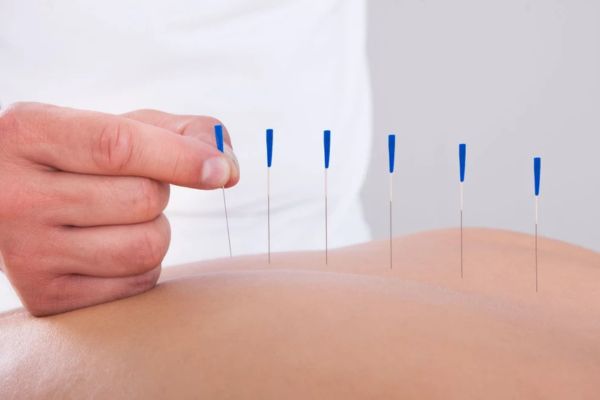
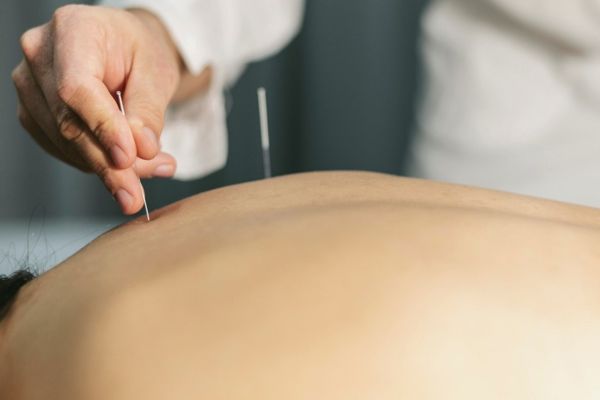
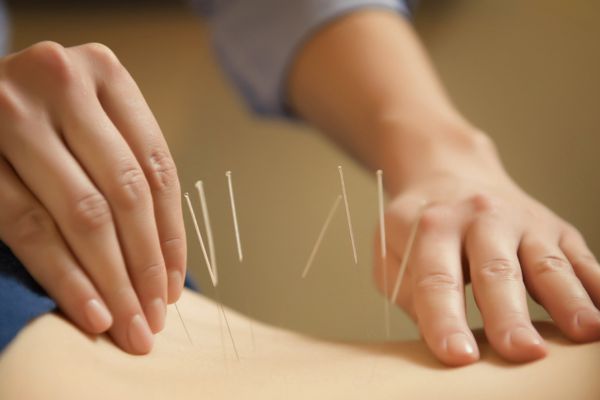
The actual treatment follows, where you’ll lie comfortably on a table while the practitioner inserts needles at specific points. Many local practices create a serene environment with soft lighting and calming music. After the session, your practitioner will discuss a treatment plan and may suggest lifestyle or dietary adjustments to enhance your results.
Are there any side effects or risks associated with acupuncture?
When performed by a qualified practitioner, acupuncture is generally very safe with minimal side effects. Some locals report mild bruising or soreness at needle sites, which typically resolves quickly. Fatigue or lightheadedness can occur after treatment, particularly for first-timers, which is why many local practitioners recommend taking it easy for the rest of the day.
Serious complications are extremely rare when you choose a licensed practitioner who follows proper sterilization protocols. Local acupuncturists use single-use, sterile needles and are trained to avoid sensitive areas. They’ll also carefully review your health history to ensure acupuncture is appropriate for your condition.
Can acupuncture be combined with conventional medical treatments?
Absolutely! Many healthcare providers in our area recognize acupuncture as a valuable complementary therapy. Local acupuncturists often work collaboratively with physicians, chiropractors, and other healthcare professionals to provide integrated care. This approach can be particularly beneficial for managing complex conditions or supporting conventional treatments.
For instance, some patients find acupuncture helpful in managing medication side effects or speeding up recovery after surgery. It’s important to inform both your acupuncturist and regular doctor about all treatments you’re receiving to ensure safe and effective coordination of care.
What should I do before and after an acupuncture session?
Local practitioners recommend eating a light meal before your session to prevent lightheadedness. Wear comfortable, loose-fitting clothes that can be easily rolled up to expose arms and legs. Avoid caffeine or alcohol before treatment, and try to arrive a few minutes early to relax.
After your session, most local acupuncturists suggest taking it easy for the rest of the day. Stay hydrated, avoid strenuous exercise, and pay attention to any changes in your body. Many patients in our area find that keeping a brief journal of their responses to treatment helps track progress over time.