How often should I wash my car?
Regular car washing is crucial for maintaining your vehicle’s appearance and protecting its paint. Generally, washing your car every two weeks is a good rule of thumb. However, this can vary depending on several factors. If you frequently park under trees, live in an area with harsh weather conditions, or drive on salted roads during winter, you might need to wash more often. On the other hand, if you garage your car and don’t drive it daily, you might be able to extend the time between washes. Remember, regular washing not only keeps your car looking great but also helps prevent rust and paint damage.
What’s the difference between automatic and hand car washes?
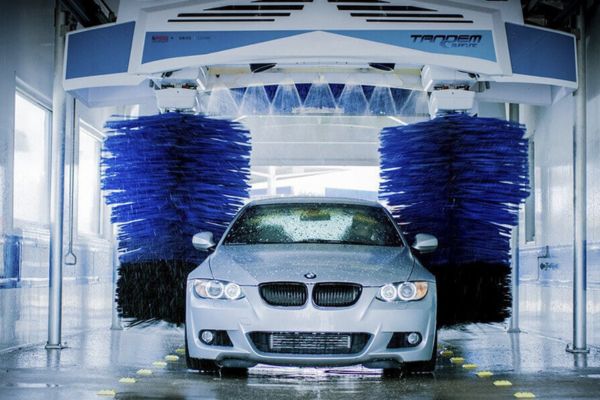
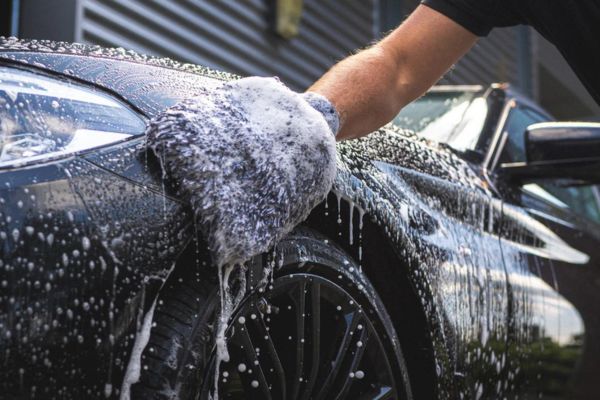
Automatic and hand car washes each have their own advantages. Automatic washes are quick, convenient, and often less expensive. They use specialized equipment to clean your car efficiently. However, they may not be as thorough in cleaning hard-to-reach areas. Hand car washes, on the other hand, offer a more personalized and detailed approach. Trained professionals can pay attention to specific areas of your car and use appropriate cleaning techniques for different surfaces. They’re often better at removing stubborn dirt and can be gentler on your car’s paint. While hand washes typically cost more and take longer, many car enthusiasts prefer them for a more thorough clean.
Are touchless car washes better for my car’s paint?
Touchless car washes have gained popularity due to their perceived gentleness on car paint. These washes use high-pressure water jets and strong detergents to clean your car without physical contact. This method reduces the risk of scratches or swirl marks that can sometimes occur with traditional brush washes. However, touchless washes may not be as effective at removing stubborn dirt or grime. They also tend to use stronger chemicals to compensate for the lack of physical scrubbing. While touchless washes can be a good option for maintaining a clean car between more thorough washes, they shouldn’t be your only cleaning method. A combination of different wash types, including occasional hand washing, can provide the best care for your vehicle’s exterior.
What should I look for in a quality car wash service?
When choosing a quality car wash service, several factors come into play. First, look for a facility that uses modern, well-maintained equipment. This ensures your car gets a thorough clean without the risk of damage. Check if they use high-quality, car-safe detergents and waxes. Customer service is also crucial – staff should be knowledgeable and willing to answer your questions. Look for additional services like interior cleaning, tire shining, or detailing options. Reading customer reviews can give you insight into the consistency of their service. Also, consider the waiting area amenities if you plan to stay while your car is being washed. A quality car wash should leave your vehicle not just clean, but also protected and shining.
How can I prepare my car for a car wash?
Preparing your car for a wash can help ensure the best results. Start by removing any loose items from your car’s exterior, like antennas or bike racks. Check that all windows and sunroofs are fully closed. If you have any areas of concern, like a scratch or loose trim, make a note to mention these to the wash staff. For automatic washes, make sure your car is in neutral and the parking brake is off. If you’re using a self-serve wash, gather all the coins or tokens you’ll need beforehand. It’s also a good idea to know your car’s dimensions if you’re using an automatic wash to ensure it can accommodate your vehicle. Lastly, if you’re planning on interior cleaning as well, remove any personal items or trash from the car’s interior.
Is it better to wash my car at home or use a professional service?
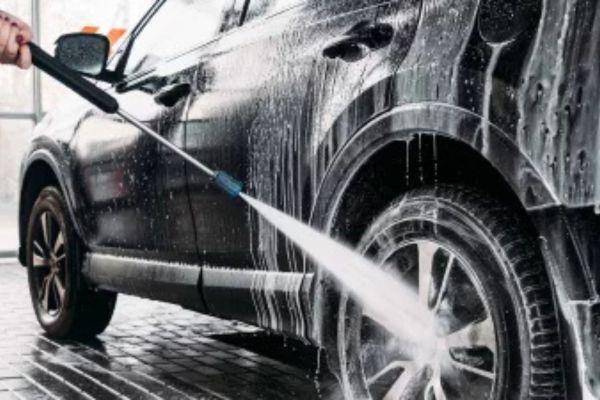
The choice between washing your car at home or using a professional service depends on several factors. Home washing allows you to control the process and pay attention to specific areas of your car. It can also be a cost-effective option if you already have the necessary supplies. However, it requires time, effort, and the right techniques to avoid damaging your car’s paint. Professional services offer convenience and often have access to better equipment and products. They can provide a more thorough clean, especially for hard-to-reach areas. Professional washes are also more environmentally friendly, as they typically use water reclamation systems. If you enjoy the process and have the time, home washing can be rewarding. But for consistent, high-quality results, professional services often have the edge.
What types of waxes do car washes typically use?
Car washes typically use a variety of waxes, each with its own benefits. The most common types include carnauba wax, synthetic wax, and spray-on wax. Carnauba wax, derived from palm leaves, provides a deep, warm shine and good protection, but doesn’t last as long. Synthetic waxes, made from polymers and resins, offer longer-lasting protection and are easier to apply. Spray-on waxes are quick to apply and provide a good shine, making them popular for express wash services. Some car washes also offer ceramic coatings, which provide longer-lasting protection than traditional waxes. The type of wax used can affect both the appearance of your car and how long the protection lasts. Higher-end car washes often offer a choice of wax types, allowing you to select based on your preferences and budget.
How long does a typical car wash take?
The duration of a car wash can vary significantly depending on the type of service you choose. A basic exterior wash at an automatic car wash typically takes about 5-10 minutes. If you opt for additional services like waxing or undercarriage cleaning, it might take 15-20 minutes. Full-service washes that include interior cleaning can take anywhere from 30 minutes to an hour. Hand washes generally take longer, usually 30 minutes to an hour for a thorough exterior wash. Detailing services, which include deep cleaning and protection of both the exterior and interior, can take several hours. Self-serve car washes allow you to control the time, but most people spend about 10-15 minutes washing their car. Remember, while quicker options are available, more thorough services that take longer often provide better results and protection for your vehicle.
Are car washes safe for cars with special paint jobs or wraps?
When it comes to cars with special paint jobs or wraps, extra caution is needed. Many automatic car washes, especially those with brushes, can be too harsh and may damage delicate finishes or cause wraps to peel. For these vehicles, touchless car washes are generally a safer option. However, even touchless washes can potentially damage loose edges of wraps. Hand washing is often the best choice for cars with special finishes. If you do use a car wash service, inform the staff about your car’s special finish. They may have specific techniques or products for these situations. It’s also crucial to avoid high-pressure water on wrapped vehicles. For cars with ceramic coatings or paint protection films, gentle washing methods are recommended to maintain the coating’s integrity. Always check with the manufacturer of your special finish for specific care instructions.
What’s the environmental impact of car washes?
Car washes have made significant strides in reducing their environmental impact. Professional car washes are generally more eco-friendly than washing your car at home. They use water reclamation systems that clean and reuse water, significantly reducing water consumption. Many car washes also use biodegradable, phosphate-free soaps that are less harmful to the environment. Some facilities have implemented energy-efficient equipment and solar panels to reduce their carbon footprint. However, the chemicals used in car washes can still have environmental impacts if not properly managed. When choosing a car wash, look for those that advertise their eco-friendly practices. Some car washes even participate in water conservation programs or use waterless cleaning methods. By choosing a responsible car wash, you can keep your car clean while minimizing your environmental impact.